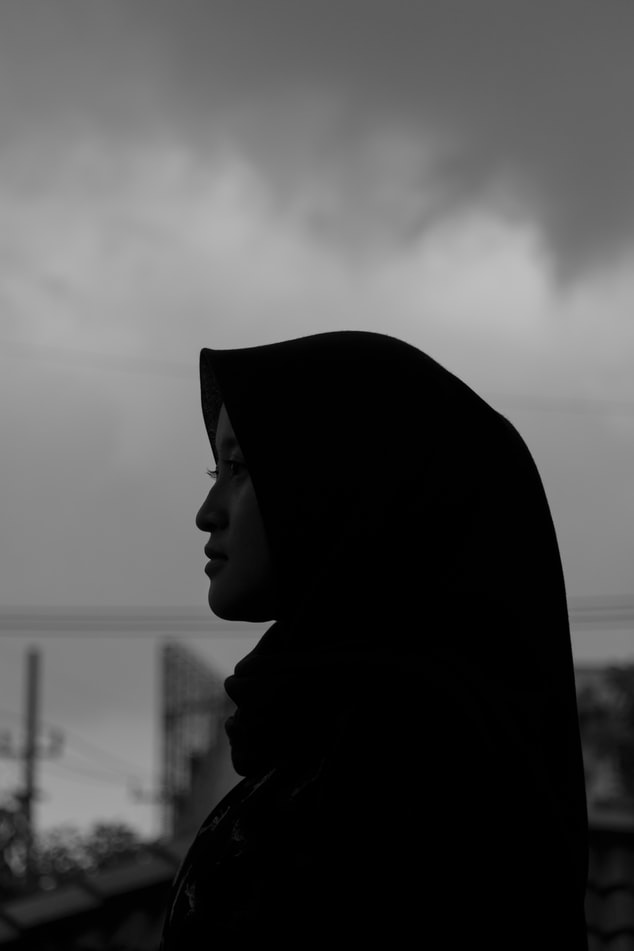
Another form of discrimination at the workplace is the one related to religious symbols. As regards the EU, a minority of Member States have national, regional and/or local legal prohibitions relating to the wearing of (some forms of) religious clothing and symbols at work in public and/or private employment, in other areas or even in all public spaces.
A few other Member States are considering such legislation. There is case law from just over half of the 27 EU Member States but there are also Member States where the issue has not (or not yet) arisen. Therefore, practices vary significantly between Member States, but the issue of the wearing of religious clothing or symbols has arisen in case law or debates in a considerable number of EU Member States.
Discrimination on the grounds of religion or belief is prohibited by the Employment Equality Directive. Until recently, the Court of Justice of the European Union (CJEU) had not given any judgments on religion or belief discrimination, but, on 14 March 2017, its first two judgments in this area came out. Both cases concerned Muslim women who wanted to wear a Muslim headscarf or hijab to work and who were dismissed when they refused to take these off. The CJEU has stated that the ban on the wearing of headscarves at work does not constitute direct discrimination on grounds of religion or personal beliefs. Yet the matter is not so simple and it requires on the employer’s part:

The willingness to dialogue and mediate

A clear explanation of the needs of the employees not only to the employees themselves, but also to clients and external figures who collaborate with the company

The aim for a more intense dialogue between different cultures and creeds
Author: Anna Zavan
 Feminism at the Workplace