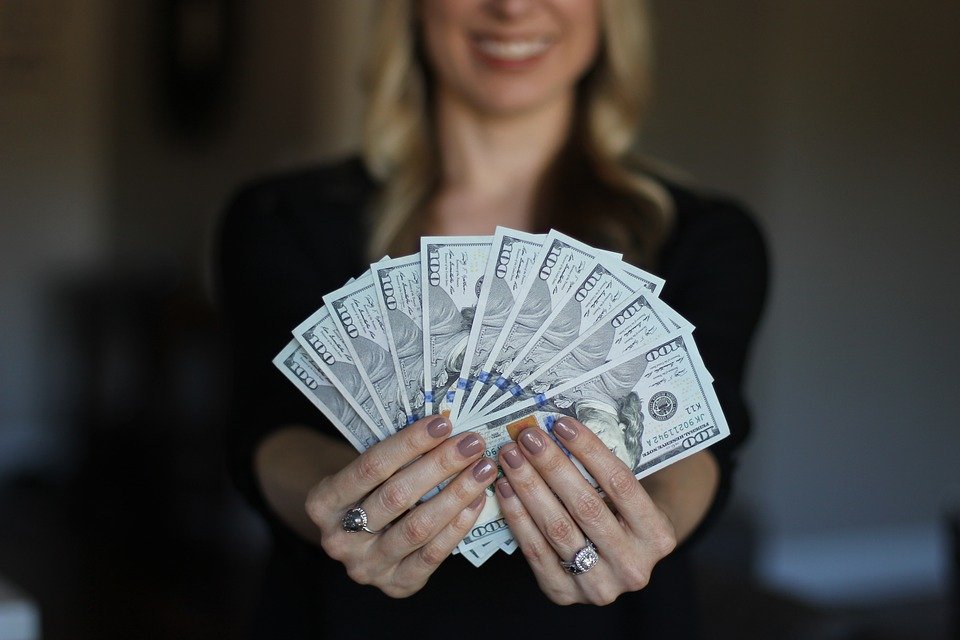
The gender pay (or wage) gap is the PAY DISPARITY between men and women expressed as a percentage of male earnings. Often the pay gap is presented as the average difference between men and women’s median earnings in a given year.
This summary statistic is considered the RAW, or unadjusted gender pay gap because it does not account for factors that may affect earnings (e.g. hours worked, age, etc.). The raw figure differs from the ADJUSTED, or “unexplained” gender pay gap, which accounts for these variables. Attention must be paid to the quantitative difference between the two, in order to avoid potential errors in judgement: in Italy, for example, the raw gender pay gap is 5,5%, while the adjusted one is 43,7% (according to 2015 Istat data). This wage gap is due to several factors:
* first of all, women often take on UNPAID SOCIAL TASKS, such as housework and the care of children. This implies that part-time is much more widespread among women.
* In addition, working positions involving administration and supervision roles are, in large part, a male prerogative.
Pay discrimination is de iure prohibited in the UE, and equal pay for equal work is actually one of the UE fundamental principles. Despite this, matters de facto look nothing like so good.
After this brief clarification, let’s now consider which are the means that an employer could adopt to reduce the differences in pay between women and men:
To ensure a greater JOB FLEXIBILITY
To reward the RESULT obtained from work, and not the time and the place where it has been executed (for example through teleworking)
To introduce a greater number of QUOTAS for women

To adopt an approach aimed at a SOCIOCULTURAL CHANGE and a gender equality, in order to transfer it to the working environment: regarding the career choices, it’s necessary to let women be guided by an ambitious motivation without facing the guilt of having neglected a task that is time to delegate also to the opposite sex.
Author: Anna Zavan
 Feminism at the Workplace